

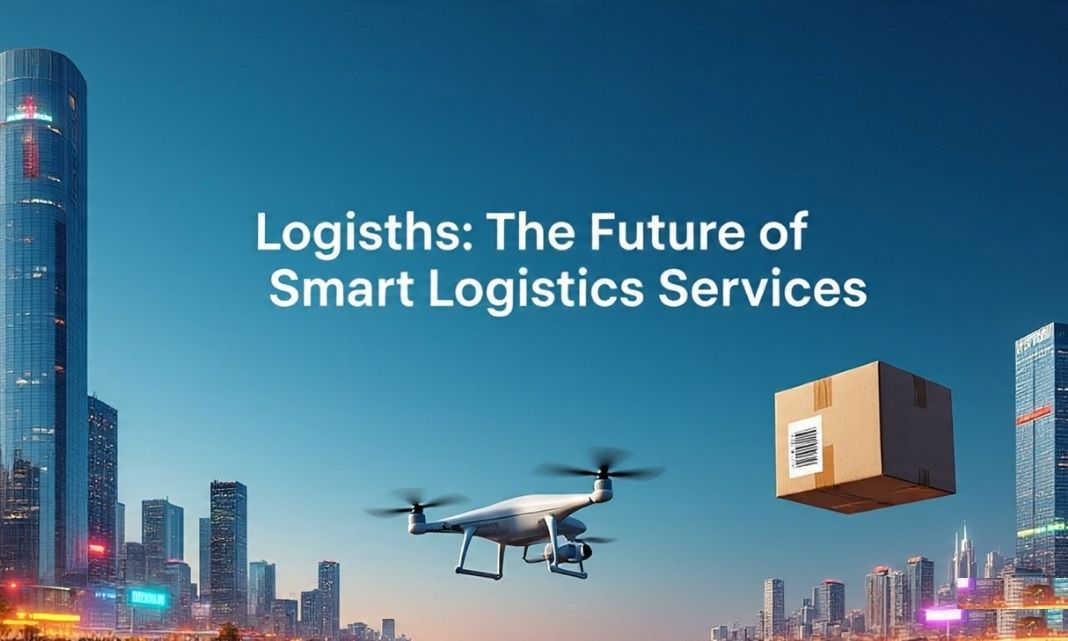
In today’s fast-paced global market, logistics is no longer just about moving goods from one place to another. The industry is being reshaped by digital transformation, automation, and data-driven systems. Among the new innovations, Logisths has emerged as a game-changer.
Logisths is more than just a tool—it’s a complete approach to next-generation logistics services that combines artificial intelligence, machine learning, IoT, and automation. Businesses adopting Logisths can deliver faster, cut costs, improve customer satisfaction, and build sustainable operations.
This article explores what Logisths is, how it works, and why it is revolutionizing the logistics industry.
What is Logisths?
Logisths is a modern logistics framework that integrates transportation, warehousing, inventory, and delivery under one digital roof. By combining AI, automation, and real-time tracking, it streamlines every step of the supply chain.
Instead of relying on outdated, manual processes, Logisths uses predictive technology to forecast demand, optimize delivery routes, and monitor shipments in real time. The result? Faster, smarter, and more reliable logistics services.
Keyword Cluster:
- Logisths logistics services
- Future of logistics solutions
- Smart logistics systems
- AI-powered supply chain
Key Technologies Behind Logisths
Logisths is powered by several cutting-edge technologies:
1. Artificial Intelligence (AI)
AI predicts demand, analyzes traffic and weather conditions, and helps businesses make better logistics decisions. For example, delivery routes can be adjusted instantly to avoid delays.
2. Internet of Things (IoT)
IoT devices such as RFID tags and smart sensors allow businesses to track products at every stage. This ensures complete visibility and reduces the risk of lost or damaged goods.
3. Robotics & Automation
Robots now handle loading, unloading, and warehouse sorting, while drones and autonomous trucks are making transportation quicker and more efficient.
4. Cloud & Data Analytics
Cloud-based systems connect global supply chains, allowing companies to manage operations from anywhere with real-time insights.
Benefits of Logisths in Modern Logistics
Adopting Logisths provides businesses with measurable advantages:
- Higher Efficiency – Automation and AI eliminate bottlenecks, speeding up delivery and reducing downtime.
- Lower Costs – Optimized routes, better inventory planning, and fewer errors cut operational expenses.
- Improved Customer Experience – Real-time shipment tracking and faster deliveries build customer loyalty.
- Scalability – Businesses can expand into new markets without overhauling their logistics infrastructure.
- Sustainability – Eco-friendly vehicles, smart routing, and reduced waste help companies lower their carbon footprint.
Applications of Logisths Across Industries
Logisths is not limited to one sector—it can transform multiple industries:
- E-commerce: Automates inventory management and ensures quick deliveries.
- Healthcare: Tracks sensitive goods like medicine and medical devices with precision.
- Retail: Reduces stockouts and enhances order fulfillment speed.
- Manufacturing: Ensures smooth raw material supply and timely product distribution.
- Food & Beverage: Maintains freshness by optimizing cold chain logistics.
Frequently Asked Questions (FAQs)
1. What is Logisths?
Logisths is an advanced logistics system that uses AI, IoT, and automation to improve efficiency, cut costs, and enhance customer service.
2. How does Logisths reduce costs for businesses?
By predicting demand, optimizing delivery routes, and automating manual tasks, Logisths lowers operational and labor costs.
3. Which industries can benefit from Logisths?
Industries like e-commerce, healthcare, retail, manufacturing, and food & beverage are already adopting Logisths for better supply chain management.
4. Is Logisths scalable for global businesses?
Yes, Logisths is designed to handle both local and international logistics, making it ideal for companies expanding globally.
5. How does Logisths support sustainability?
It reduces carbon emissions through eco-friendly transportation, smarter routing, and less inventory waste.
Conclusion
The logistics industry is evolving rapidly, and Logisths is at the center of this transformation. By merging AI, IoT, robotics, and automation, Logisths delivers smarter, greener, and more cost-effective logistics services.
Businesses that embrace Logisths not only stay ahead of competitors but also build stronger customer trust and support sustainable growth. As global trade becomes more complex, Logisths is set to define the future of logistics.

