

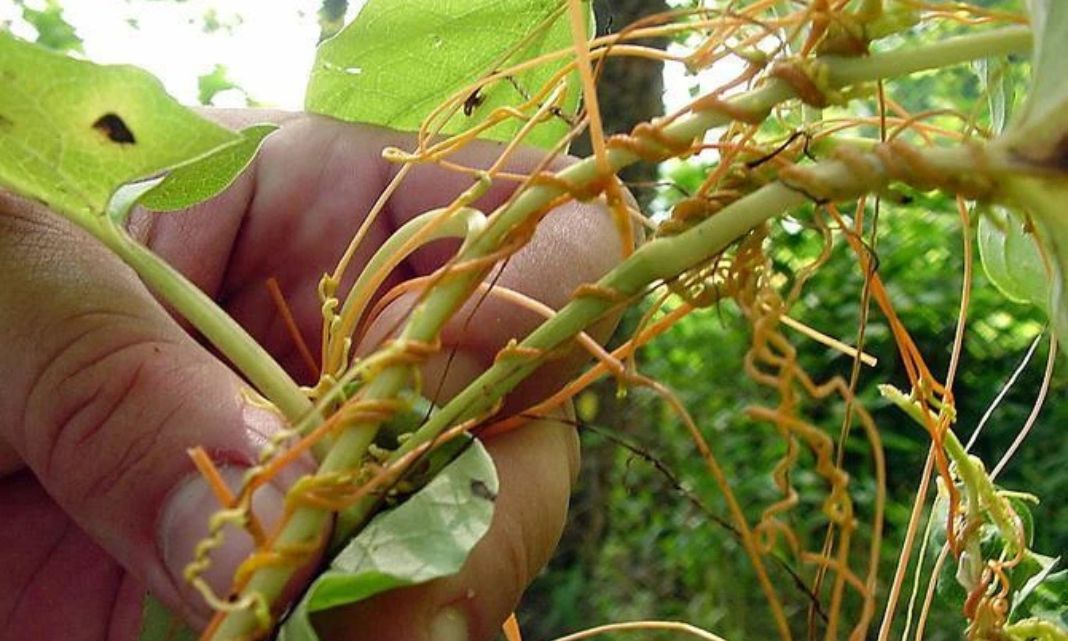
When most people hear the word кускута, they might not recognize it right away. But this tiny, thread-like plant has been around for centuries — used in traditional medicine, studied by scientists, and even mentioned in folklore. In this article, we’ll explore what кускута really is, how it’s used, and why people across the world are suddenly searching for it online.
What is кускута?
кускута (also known as Cuscuta or Dodder in English) is a parasitic plant that grows by attaching itself to other plants. Unlike normal green plants, кускута doesn’t rely on its own roots for nutrients. Instead, it connects to a host plant and absorbs what it needs to survive.
- Scientific name: Cuscuta
- Common name: Dodder
- Family: Convolvulaceae (morning glory family)
- Native regions: Found worldwide — Asia, North America, and Europe
Why People Are Talking About кускута
In recent years, кускута has gained attention for its potential health and environmental benefits. Researchers and herbalists claim it has unique compounds that may help with various body functions.
Here are some reasons it’s trending:
- Traditional Medicine Uses – For centuries, кускута seeds have been used in herbal remedies, especially in Asian cultures. It’s believed to support liver health, eye function, and reproductive wellness.
- Modern Research Interest – Scientists are studying кускута for its antioxidant and anti-inflammatory properties.
- Eco Significance – Despite being parasitic, some environmental experts study it to understand plant-to-plant communication.
Health Benefits of кускута (According to Traditional Beliefs)
While research is ongoing, some traditional uses of кускута include:
- Boosting energy and vitality
- Improving eyesight
- Supporting kidney and liver health
- Balancing hormones
- Enhancing male fertility
⚠️ Note: Always consult a healthcare provider before using any herbal remedy. Natural doesn’t always mean safe for everyone.
кускута in Modern Herbal Supplements
Many herbal supplement brands now include кускута extract in their formulas. It’s often paired with other natural ingredients like ginseng, goji berry, and schisandra to improve overall wellness.
Online marketplaces and wellness shops now sell кускута capsules, powder, and tea — making it easier than ever to include in daily routines.
Possible Side Effects
Like any plant-based remedy, кускута may have side effects if used in excess. Reported issues include:
- Mild stomach discomfort
- Fatigue or dizziness
- Allergic reactions (in rare cases)
Always start with small doses and consult professionals before long-term use.
Environmental Role of кускута
Even though кускута is parasitic, scientists find it fascinating. It teaches us about:
- Plant communication: How plants detect and respond to nearby vegetation
- Ecosystem balance: How one species’ parasitic behavior influences biodiversity
- Agriculture studies: Finding better methods to control unwanted spread in crops
Final Thoughts
кускута is more than just a parasitic plant — it’s a fascinating species with centuries of use in traditional medicine and growing scientific interest today. Whether you’re studying herbs, exploring natural health options, or simply curious about unique plants, кускута deserves a closer look.
As science continues to explore its properties, кускута might one day shift from a traditional secret to a modern wellness essential.
FAQs About кускута
Q1. What is the English name of кускута?
The English name is Cuscuta or Dodder.
Q2. Is кускута safe to use?
Yes, but only in small amounts. Always check with your doctor before use.
Q3. Where can I buy кускута products?
You can find кускута supplements, teas, and extracts in online herbal stores and wellness marketplaces.
Q4. Is кускута harmful to plants?
Yes, it’s parasitic — it attaches to other plants and draws nutrients from them.
Q5. Can кускута be grown at home?
It’s not ideal for home gardens because it can spread quickly and harm nearby plants.

