

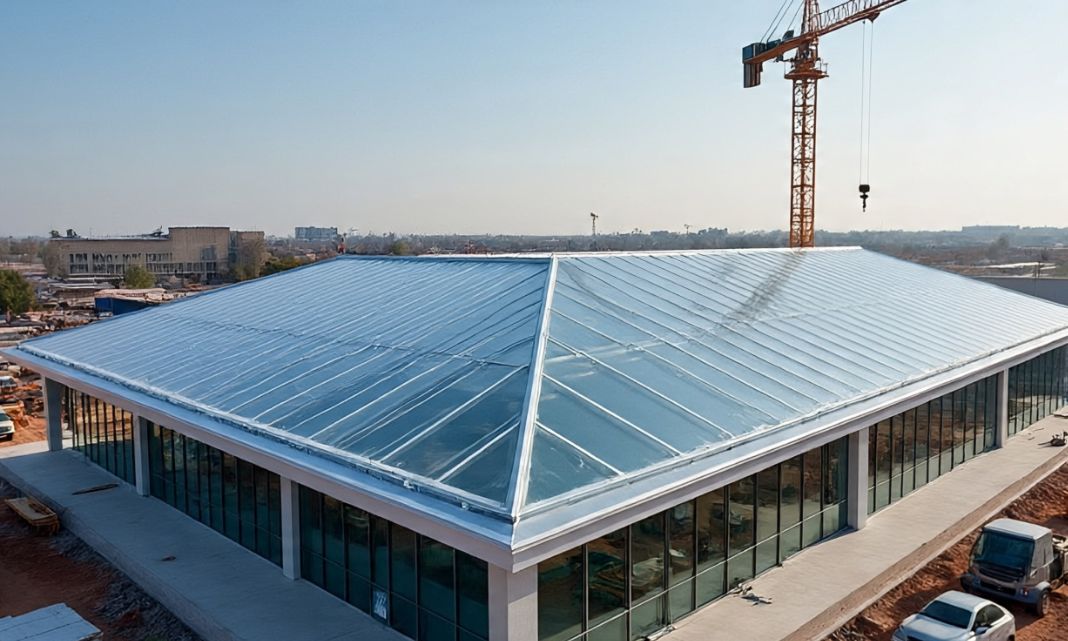
In today’s construction industry, roofing technology has taken a massive leap forward. One material that stands out is Acryldach—a modern roofing solution combining durability, lightweight design, and aesthetic appeal. Derived from the words “acryl” (acrylic) and “dach” (roof in German), Acryldach represents acrylic-based roofing systems that are gaining popularity in residential, commercial, and industrial projects worldwide.
If you’re an architect, builder, or homeowner looking for a durable and sustainable roofing option, Acryldach could be the right choice. Let’s dive deeper into what makes it unique.
What Is Acryldach?
Acryldach refers to roofing systems made from acrylic materials, typically high-grade polymethyl methacrylate (PMMA). These materials are lightweight, weather-resistant, and UV-stable, making them an ideal replacement for traditional roofing materials like tiles, metal, or glass.
Unlike conventional roofs, Acryldach allows for better natural light, sleek design, and energy efficiency, all while offering long-lasting durability.
Key Features of Acryldach
- Durability
Resistant to rain, hail, and extreme temperatures, Acryldach is strong enough to withstand harsh weather conditions. - UV Resistance
Protects against harmful ultraviolet rays, preventing interiors from overheating and roofing panels from yellowing over time. - Transparency
Panels can be fully transparent, tinted, or frosted—ideal for skylights, greenhouses, or patios. - Lightweight
Much lighter than glass or tiles, reducing load on the building structure and simplifying installation. - Low Maintenance
Resistant to rust, corrosion, and fungus. Cleaning requires only mild soap and water.
Where Can Acryldach Be Used?
The versatility of Acryldach makes it suitable for many applications:
- Residential Roofing: patios, skylights, greenhouses, and carports.
- Commercial Buildings: malls, offices, cafés, and restaurants with outdoor areas.
- Industrial Projects: warehouses, factories, and production facilities with skylight panels.
- Public Infrastructure: bus shelters, walkways, and public seating areas.
Installation Process of Acryldach
Installing an Acryldach system involves:
- Site Inspection – Measuring the area and planning framework.
- Framework Preparation – Using lightweight steel or treated wood.
- Panel Cutting & Placement – Acrylic sheets are cut to size and carefully placed.
- Sealing & Fastening – Panels are fixed with corrosion-resistant screws and sealed for waterproofing.
- Finishing Touches – Edge trims and protective coatings may be added.
This process is faster than traditional roofing and requires fewer materials.
Acryldach vs. Traditional Roofing
| Feature | Acryldach | Traditional Roofing |
|---|---|---|
| Weight | Lightweight | Heavy |
| Natural Light | Transparent options | Opaque |
| UV Resistance | Excellent | Moderate |
| Maintenance | Very Low | Moderate/High |
| Installation Speed | Fast | Slower |
| Design Flexibility | High | Limited |
Limitations of Acryldach
- Cost – Premium acrylic panels can cost more upfront than asphalt or sheet metal.
- Scratch Sensitivity – Acrylic can scratch if not handled carefully.
- Thermal Expansion – Needs proper design to allow for material expansion in heat.
Eco-Friendly and Sustainable Choice
Acryldach is not only practical but also environmentally friendly:
- Reduces electricity usage by allowing natural lighting.
- Panels are recyclable.
- Long lifespan means fewer replacements and less waste.
Choosing the Right Acryldach System
When selecting panels, consider:
- Thickness – Thicker panels offer better insulation and impact resistance.
- Transparency – Clear, frosted, or tinted options available.
- Coatings – Anti-scratch or anti-fog coatings for added durability.
- Warranty – Look for coverage against UV degradation and structural issues.
The Future of Roofing with Acryldach
As sustainability and design trends shape modern construction, Acryldach is expected to become more popular in smart homes, eco-friendly buildings, and innovative commercial spaces. With advancements in acrylic technology, expect even stronger, lighter, and more efficient roofing systems in the future.
Final Thoughts
Acryldach is more than just a roofing option—it’s a blend of strength, beauty, and sustainability. For anyone considering a modern upgrade to their home, office, or industrial project, this roofing solution offers unmatched benefits in durability, light control, and design flexibility.
If you’re seeking long-term value and style, Acryldach is the future of roofing.
FAQs About Acryldach
1. Is Acryldach more expensive than traditional roofing?
Yes, the upfront cost is higher, but its durability and low maintenance make it more cost-effective long-term.
2. Can Acryldach handle heavy snow or hail?
Absolutely. High-grade panels are impact-resistant and designed to withstand extreme weather.
3. Does Acryldach help with energy savings?
Yes. Its transparency reduces the need for artificial lighting, lowering electricity bills.
4. How long does Acryldach last?
With proper installation and care, Acryldach roofs can last 20–30 years or more.
5. Can I install Acryldach myself?
Small DIY projects may be possible, but professional installation is recommended for durability and waterproofing.

