

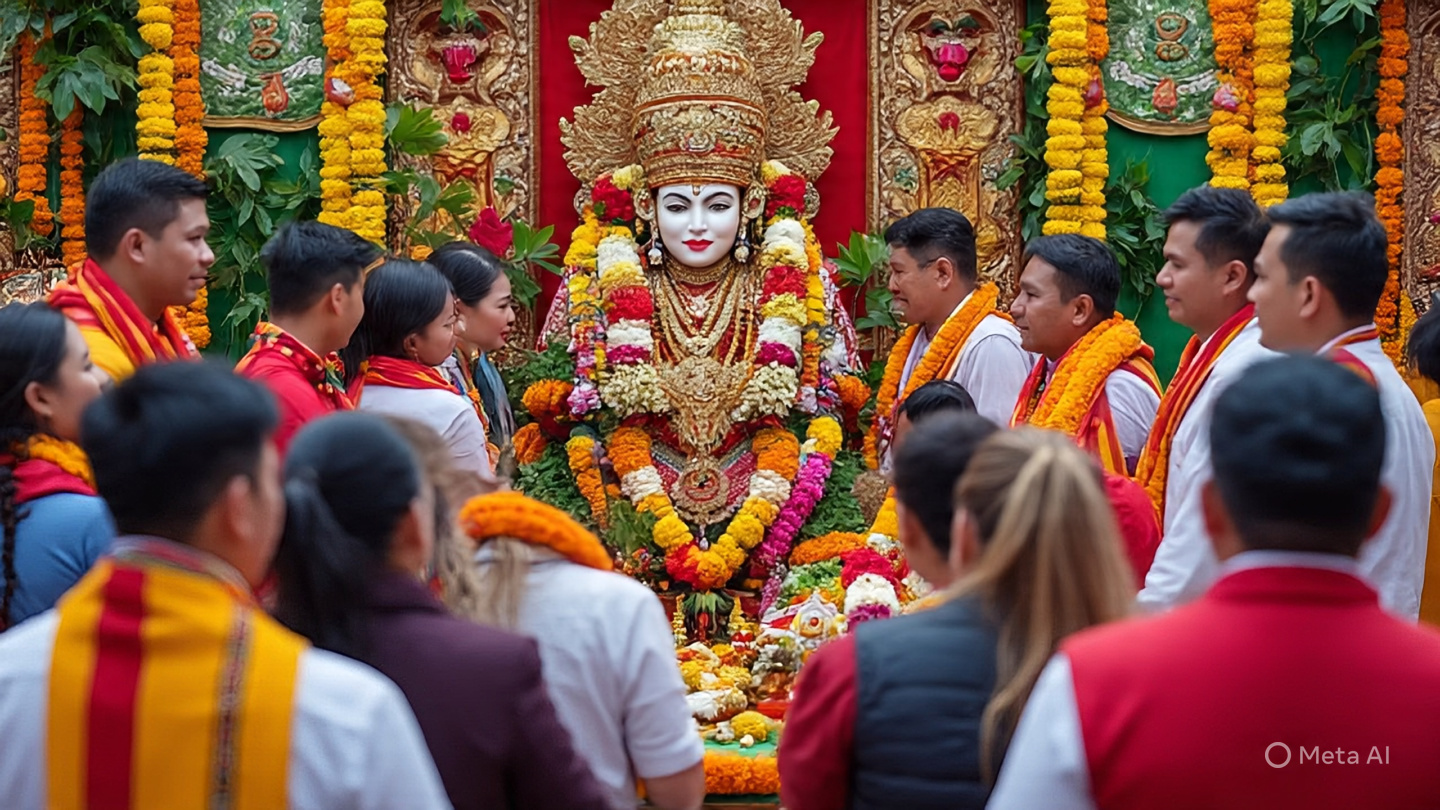
When we think of traditions, we imagine colorful ceremonies, heartfelt gatherings, and practices passed down through generations. Traditions are not just rituals—they are living memories that connect the past with the present.
Lufanest is one such example: a tapestry woven from age-old customs, vibrant practices, and meaningful values. More than a word, Lufanest represents a way of living that blends community, heritage, and identity.
The beauty of Lufanest lies in its ability to carry wisdom from the past while staying relevant in today’s world. It is both timeless and adaptable, shaping lives while offering insight into values and beliefs. This guide explores Lufanest traditions, cultural significance, and how it thrives in modern times.
Understanding the Essence of Lufanest
Lufanest can be seen as a collection of traditions that define a community. These customs reflect shared values, beliefs, and collective memory. Each ritual and symbol tells a story, forming a cultural language of identity and belonging.
What makes Lufanest unique is the balance between continuity and change. Some customs remain unchanged for centuries, while others evolve with the needs of modern life. This adaptability ensures younger generations keep finding meaning in traditions.
Traditions That Shape Lufanest
The traditions of Lufanest are its heartbeat. They include:
- Seasonal Festivals – celebrations of harvest, renewal, and community unity.
- Family Rituals – practices that strengthen bonds across generations.
- Spiritual Ceremonies – honoring ancestors, deities, and life’s milestones.
- Art, Music, and Dance – storytelling through creativity and rhythm.
- Food Traditions – recipes passed down as symbols of survival and togetherness.
In Lufanest, food is more than nourishment. Traditional dishes carry family history, often shared during festivals to affirm cultural identity and strengthen social bonds.
Lufanest as a Source of Identity
For those who embrace it, Lufanest is identity. It offers belonging and roots individuals in a larger story that stretches across time.
In a world that often feels fragmented and fast-paced, Lufanest provides stability. Traditions become a compass, guiding communities through change while preserving who they are and where they come from.
Storytelling: The Soul of Lufanest
One of the most powerful aspects of Lufanest is storytelling. Stories explain why rituals exist, what values they represent, and how they are practiced.
Elders pass these tales to younger generations at festivals, family gatherings, and community events. This oral heritage ensures traditions remain alive—rich in meaning, not hollow gestures.
Community Values in Lufanest
Every tradition reflects values. In Lufanest, the most important include:
- Unity – customs designed to bring people together.
- Respect for Elders – honoring wisdom passed through generations.
- Generosity & Hospitality – gatherings often welcome neighbors and strangers alike.
- Mutual Responsibility – a sense of harmony that strengthens bonds.
Together, these values create a living culture that emphasizes care, belonging, and togetherness.
The Artistic Dimension of Lufanest
Lufanest art, music, and dance are more than entertainment—they are forms of identity.
- Textiles and Fabrics – woven with symbolic patterns.
- Songs and Melodies – sung during rituals to preserve history.
- Traditional Dance – communal movement reflecting rhythm and storytelling.
Here, creativity is collective, not individual. This shared joy ensures traditions remain dynamic and engaging.
The Spiritual Layer of Lufanest
Many Lufanest customs have spiritual meaning. Rituals honor ancestors, life stages, and natural cycles.
Spirituality in Lufanest is not always institutional—it can be personal, expressed through gratitude, mindfulness, or daily rituals. These practices remind people of their connection to nature and the divine.
Lufanest in Modern Life
Despite globalization, Lufanest continues to thrive. Younger generations adapt traditions to fit modern lifestyles:
- Festivals shared on social media bring wider recognition.
- Recipes preserved digitally instead of handwritten notebooks.
- Hybrid celebrations that blend traditional practices with modern creativity.
Instead of fading, Lufanest is thriving—reaching more people than ever before.
Challenges in Preserving Lufanest
Urbanization, migration, and cultural blending sometimes weaken traditions. Younger generations may lose connection if customs are not explained.
To preserve Lufanest, communities must:
- Pass stories to children.
- Celebrate traditions with creativity.
- Encourage intergenerational dialogue.
This ensures Lufanest remains a living culture, not just a museum piece.
Why Lufanest Matters?
Lufanest matters because it connects people—to their past, their community, and themselves.
It reminds us that unity, respect, and generosity are timeless values. It gives rhythm and meaning to life, turning shared experiences into lifelong memories.
Final Thoughts on Lufanest
Lufanest is more than customs. It is a living tradition, a reflection of identity, and a guide for community harmony. It blends stories, values, art, and spirituality into a cultural fabric that connects past and present.
As the future unfolds, Lufanest traditions remain bridges to meaning, not barriers to progress. They prove that while times change, the human need for connection and belonging never fades.
FAQs About Lufanest
Q1: What is Lufanest?
Lufanest is a living tradition of customs, rituals, values, and community practices passed down through generations.
Q2: Why is Lufanest important?
It provides identity, unity, and cultural continuity while adapting to modern life.
Q3: How is Lufanest preserved today?
Through storytelling, intergenerational teaching, digital sharing, and modern adaptations of traditional practices.
Q4: What role does food play in Lufanest?
Food is central—traditional dishes represent history, survival, and community bonding.
Q5: How does Lufanest adapt to modern times?
It integrates technology, social media, and new forms of creativity while preserving core values and rituals.

