

4t1bk3db4bu385179 – Buying a used car can feel like a smart financial move—until it isn’t. One hidden accident, odometer rollback, or salvage title can turn what looks like a great deal into a long-term headache. That’s why checking a vehicle history report before buying is not optional anymore—it’s essential.
If you’ve searched “4t1bk3db4bu385179 Carfax”, you’re likely considering a used Toyota Avalon (around the early 2010s range) and want to know one thing: Is this car actually worth buying?
This guide breaks down everything you need to know about 4t1bk3db4bu385179 Carfax checks, what to look for in a vehicle history report, and how to avoid costly mistakes before you sign any deal.
Why the VIN 4t1bk3db4bu385179 Matters
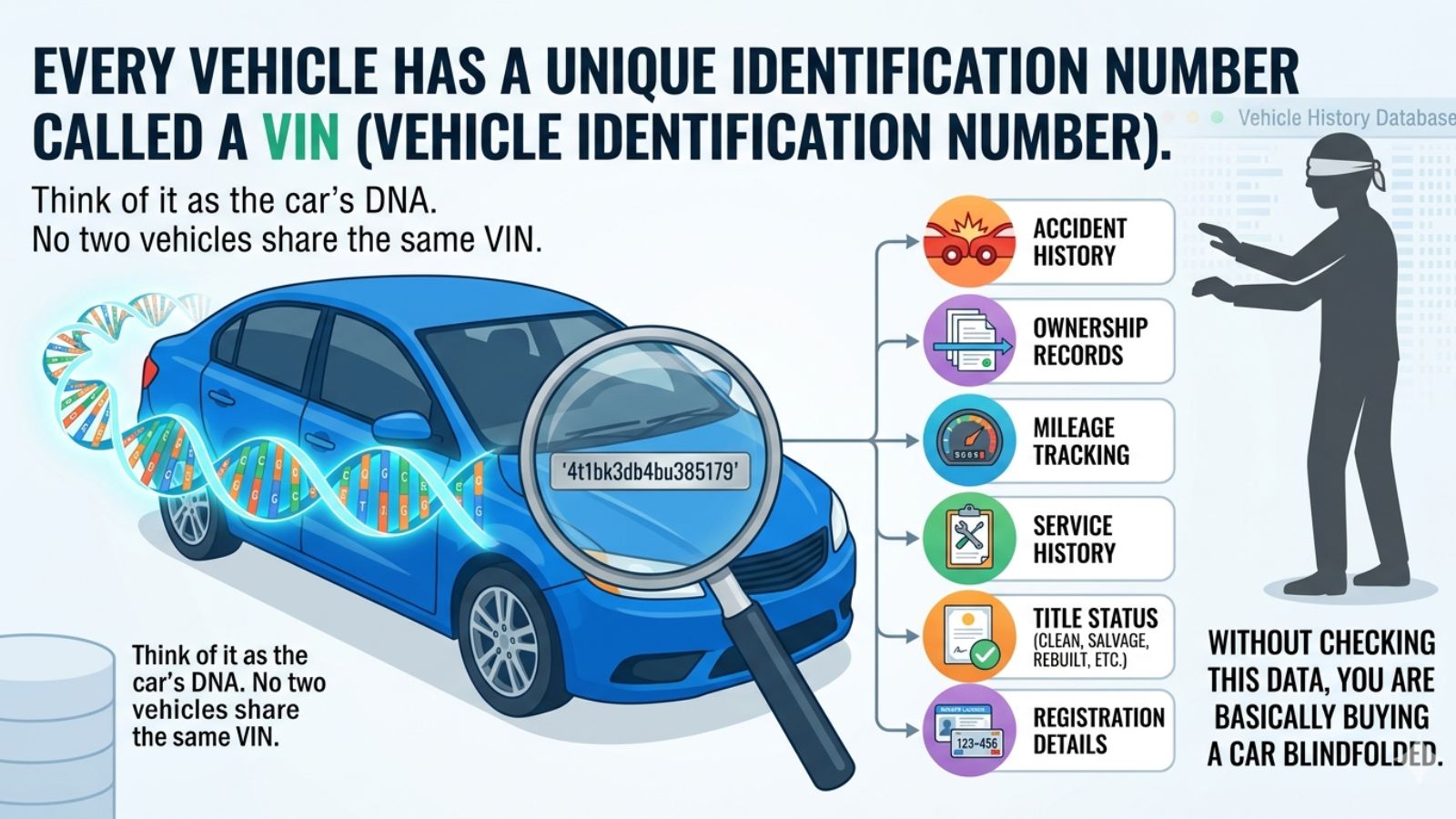
Every vehicle has a unique identification number called a VIN (Vehicle Identification Number). Think of it as the car’s DNA. No two vehicles share the same VIN.
The VIN 4t1bk3db4bu385179 allows you to access:
- Accident history
- Ownership records
- Mileage tracking
- Service history
- Title status (clean, salvage, rebuilt, etc.)
- Registration details
Without checking this data, you are basically buying a car blindfolded.
What Is a Carfax Report?
A Carfax report is one of the most widely used vehicle history reports in North America. It collects data from:
- Insurance companies
- Auto repair shops
- DMV records
- Police reports
- Service centers
For a VIN like 4t1bk3db4bu385179, a Carfax report can reveal whether the vehicle has a clean past or hidden issues that may affect safety and value.
Why You Should Never Skip a Carfax Check
Many buyers focus only on:
- Exterior condition
- Price
- Mileage shown on dashboard
But these can be misleading.
A Carfax report gives you the real story behind the car, including problems you cannot see during a physical inspection.
Skipping it can lead to:
- Buying a flood-damaged vehicle
- Overpaying for a repaired accident car
- Facing unexpected repair costs
- Insurance issues later
Key Sections of the 4t1bk3db4bu385179 Carfax Report
Let’s break down what you should look for when reviewing this VIN’s report.
1. Accident History
One of the most important sections in any Carfax report is accident data.
Look for:
- Reported collisions
- Airbag deployment
- Structural damage
- Minor vs major accident classification
Even a “minor accident” can reduce resale value significantly. Major accidents can impact safety and long-term reliability.
2. Ownership History
This section shows how many owners the car has had.
A good sign:
- 1–2 owners over its lifetime
Warning signs:
- Multiple owners in a short period
- Frequent resale activity
Too many owners can indicate recurring mechanical or performance issues.
3. Mileage Verification
Mileage fraud is more common than many people realize.
Carfax checks for:
- Odometer readings over time
- Service records matching mileage
- Possible rollback inconsistencies
If the mileage jumps backwards or doesn’t match records, it’s a red flag.
4. Title Status
This is one of the most critical sections.
Common title types:
- Clean Title (best case)
- Salvage Title (serious damage in past)
- Rebuilt Title (repaired after major damage)
- Flood/Damage Title (high risk)
A salvage or flood title can drastically reduce the car’s safety and resale value.
5. Service & Maintenance Records
A well-maintained car usually has:
- Regular oil changes
- Brake servicing
- Dealer or certified workshop records
Missing service history doesn’t always mean bad condition—but it increases uncertainty.
Common Red Flags in Carfax Reports
When reviewing 4t1bk3db4bu385179 Carfax, watch for these warning signs:
- Gaps in mileage records
- Frequent ownership changes
- Rebuilt or salvage title
- Reported flood or fire damage
- Inconsistent service history
Even one of these can change your buying decision.
How to Use Carfax Like a Pro Buyer?
Most people just glance at the report. Smart buyers analyze it.
Here’s how to do it properly:
Step 1: Check Title First
Always start with title status. This determines overall risk.
Step 2: Review Timeline
Look at the chronological order of events.
Step 3: Compare Mileage Trends
Ensure mileage increases steadily over time.
Step 4: Match With Physical Inspection
Verify if what you see matches the report.
Step 5: Ask Seller Questions
If something looks unclear, ask for clarification or documents.
Should You Buy a Car Like 4t1bk3db4bu385179?
The answer depends entirely on what the Carfax report reveals.
A good buy usually has:
- Clean title
- Stable ownership history
- Verified mileage
- Regular maintenance
A risky buy includes:
- Accident-heavy past
- Salvage or rebuilt title
- Incomplete records
Never rely only on appearance or price. The real value is in the history.
Final Thoughts
The VIN 4t1bk3db4bu385179 Carfax check is not just a formality—it is a protection step. In the used car market, information is your strongest negotiation tool.
A clean-looking car can still hide serious issues, while a slightly imperfect car might actually be well-maintained and reliable. The difference lies in the data.
So before you buy any used vehicle, remember this simple rule:
No Carfax, no deal.
FAQs
1. What does 4t1bk3db4bu385179 refer to?
It is a Vehicle Identification Number (VIN) used to track the full history of a specific car.
2. What can a Carfax report show?
It can show accident history, ownership records, mileage tracking, title status, and service history.
3. Is a clean Carfax report always safe?
Not always. Some accidents or repairs may not be reported, but it still greatly reduces risk.
4. What is a salvage title in Carfax?
A salvage title means the vehicle was declared a total loss by an insurance company due to major damage.
5. Should I buy a car without checking Carfax?
It is not recommended. Skipping Carfax increases the risk of buying a damaged or misrepresented vehicle.
