

Mariel Cruceta 3476591966 – In today’s hyper-connected world, identity is no longer limited to just a name. People are increasingly represented through a combination of names, digital profiles, usernames, and unique identifiers that help distinguish them in online systems. This evolution has created a new concept known as modern digital presence, where identity is shaped by both personal and digital elements.
The concept of Mariel Cruceta: Modern Digital Presence Meaning represents this transformation. It reflects how individuals are recognized, tracked, and understood in digital ecosystems where uniqueness, structure, and identity management play a major role.
As the internet continues to expand, understanding how digital identity works has become essential for communication, branding, security, and personal recognition.
What Is Modern Digital Presence?
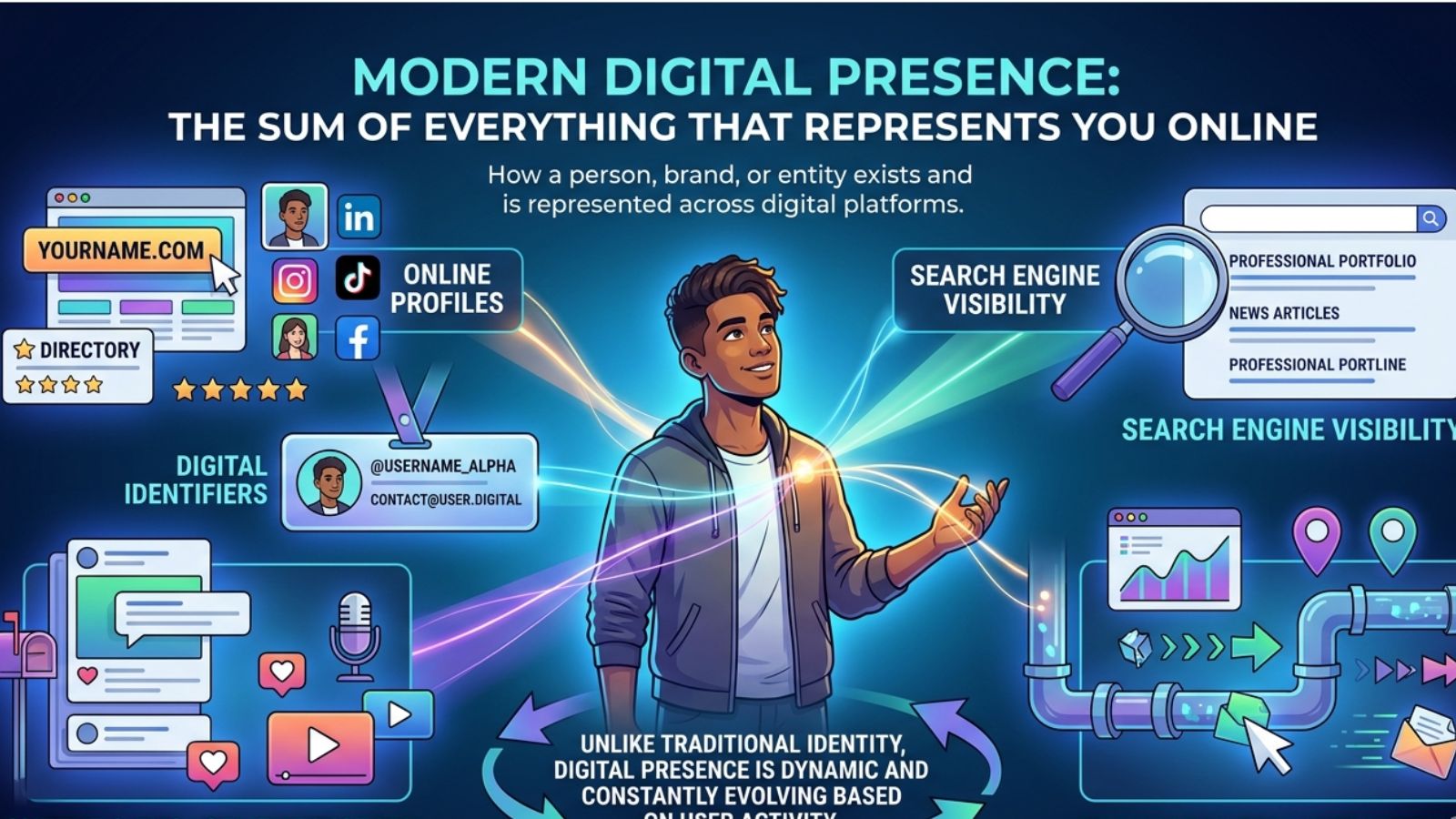
Modern digital presence refers to how a person, brand, or entity exists and is represented across digital platforms. It includes:
- Online profiles (social media, websites, directories)
- Search engine visibility
- Digital identifiers and usernames
- Behavioral data and activity footprints
- Content and engagement history
In simple terms, it is the sum of everything that represents you online.
Unlike traditional identity, which is physical and document-based, digital presence is dynamic and constantly evolving based on user activity.
The Meaning Behind Mariel Cruceta as a Digital Identity Concept
The phrase Mariel Cruceta can be interpreted as a symbolic representation of a personal identity within a digital system. When combined with structured identifiers, it reflects how modern identity is no longer just descriptive but also system-based and data-driven.
In digital environments, individuals are often associated with:
- Names (human identity)
- Numerical or system identifiers (machine-readable identity)
- Online profiles (behavioral identity)
Together, these elements form a complete digital signature.
This concept highlights how people are recognized not only by who they are but also by how systems categorize them.
Why Digital Identity Matters Today
Digital identity plays a critical role in nearly every aspect of modern life. From social media to banking systems, identity verification is essential for security and personalization.
1. Security and Authentication
Digital identity helps ensure that only authorized users can access systems. This includes:
- Login verification
- Two-factor authentication
- Biometric systems
2. Personal Branding
Your digital presence influences how others perceive you online. This includes:
- Professional reputation
- Social media image
- Search engine results
3. Online Recognition
Search engines and platforms use structured identity data to differentiate between users with similar names.
4. Data Organization
Systems rely on identifiers to organize billions of users efficiently.
How Digital Presence Is Structured
Modern digital identity systems typically combine multiple layers:
1. Human Layer
This includes your name, personality, and public-facing identity.
2. System Layer
This includes backend identifiers, IDs, and database entries that help systems track users.
3. Behavioral Layer
This includes actions such as clicks, searches, interactions, and engagement history.
4. Content Layer
This includes posts, comments, uploads, and any digital content associated with a user.
Together, these layers create a complete digital footprint.
The Role of Unique Identifiers in Digital Systems
One of the most important aspects of digital identity is uniqueness. Since millions of people may share similar names, systems rely on unique identifiers to distinguish between them.
These identifiers ensure:
- No duplication in databases
- Accurate tracking of user activity
- Secure authentication processes
- Efficient data management
Without unique identifiers, digital systems would struggle to function at scale.
Digital Identity and Modern Technology
Advancements in technology have significantly transformed how identity is managed online.
Artificial Intelligence
AI systems analyze behavior patterns to understand user identity and preferences.
Cloud Computing
Identity data is stored securely across distributed systems for accessibility and reliability.
Blockchain Technology
Some platforms use decentralized identity systems to give users more control over their data.
IoT Systems
Smart devices also rely on identity linking to provide personalized experiences.
Challenges in Digital Identity Systems
While digital identity systems offer many benefits, they also come with challenges.
1. Privacy Concerns
Excessive data tracking can raise privacy issues if not properly regulated.
2. Data Security Risks
Digital identity databases can become targets for cyberattacks.
3. Identity Confusion
People with similar names may face misidentification issues.
4. Over-Dependence on Systems
Relying too heavily on digital identity systems can reduce personal control over data.
Future of Digital Presence
The future of digital identity is expected to become more advanced and personalized. Emerging trends include:
- Biometric identity systems
- AI-driven identity verification
- Decentralized identity ownership
- Smart digital profiles
- Real-time identity authentication
In the coming years, individuals may have fully integrated digital identities that combine all aspects of their online and offline presence.
Importance of Understanding Digital Identity
Understanding digital identity is important for everyone, not just tech experts. It helps individuals:
- Protect their privacy
- Build a strong online presence
- Understand how systems use their data
- Improve digital communication
- Stay secure in online environments
As the world becomes more digital, identity management becomes a fundamental skill.
Final Thoughts
The concept of Mariel Cruceta: Modern Digital Presence Meaning reflects a broader shift in how identity is understood in the digital age. Identity is no longer static—it is dynamic, layered, and deeply integrated into technological systems.
From names and profiles to system-based identifiers and behavioral data, modern identity is a complex structure that defines how individuals are seen and recognized online.
In this evolving digital landscape, understanding your digital presence is not optional—it is essential. It influences security, reputation, communication, and even opportunities in both personal and professional life.
FAQs
1. What is modern digital presence?
Modern digital presence refers to how a person or entity is represented across online platforms, including profiles, activity, and digital data.
2. Why is digital identity important?
It is important for security, recognition, personalization, and managing access to digital systems.
3. How is digital identity created?
It is created through a combination of user information, system identifiers, and online activity.
4. What are the risks of digital identity systems?
Risks include privacy issues, data breaches, and potential identity misclassification.
5. How can I improve my digital presence?
You can improve it by managing your online profiles, sharing quality content, and maintaining a consistent digital footprint.
